Author: Sylvie Rokab

  • The Best Drug Ever

    The Best Drug Ever

    The complexity of our daily lives takes us away from spending time outdoors, even if it’s just a visit to a nearby park or beach, let alone a vacation to a wondrous place. The irony is that nature experiences bring us back to balance, health, and clarity of mind and spirit – which are essential to prosper in our digital-urban-hyper-complex world. Nature is indeed our best medicine!

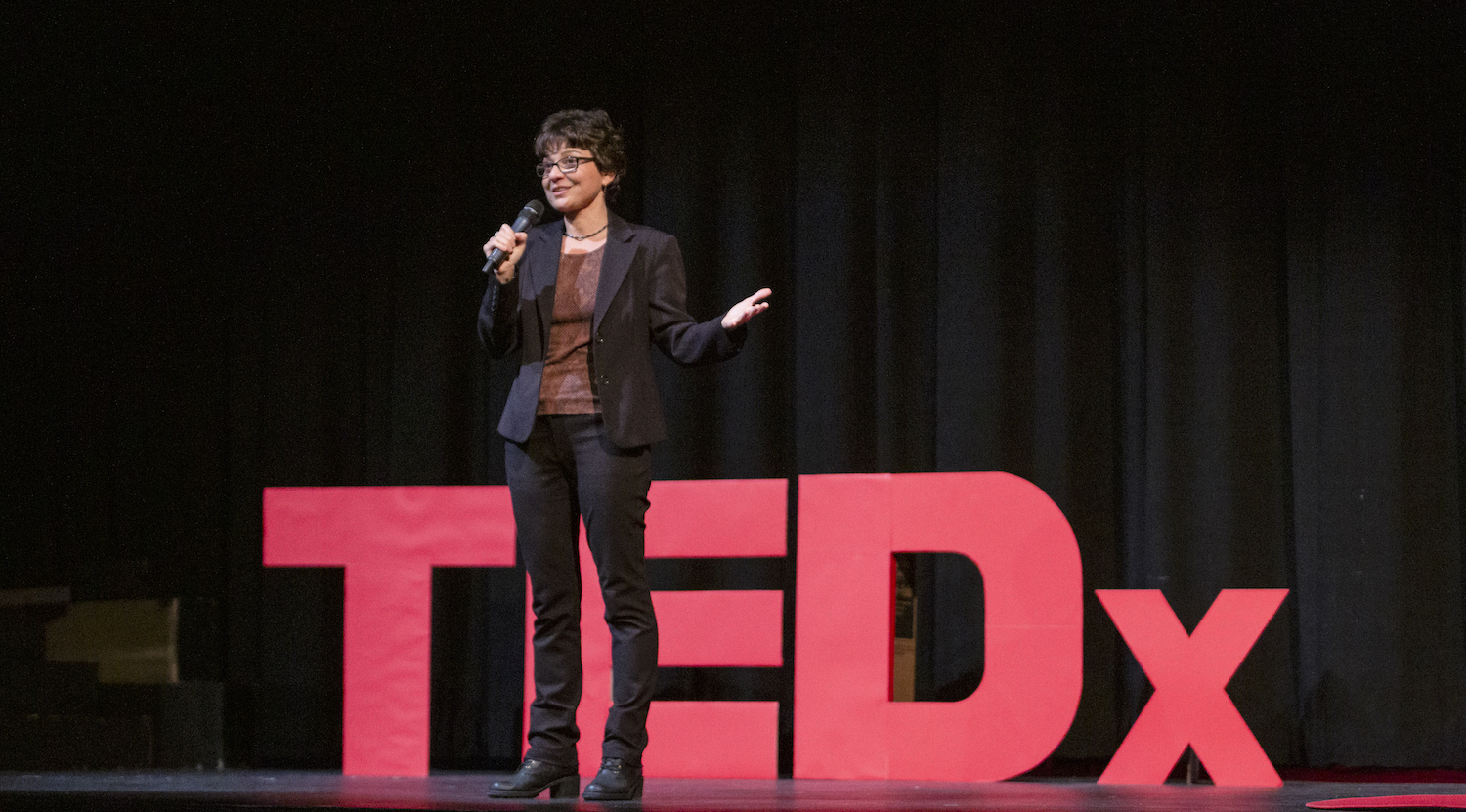
    In my TEDx talk, I share my story of how a forest encounter unleashed my life purpose at age 19, anecdotes of how corporations use your innate yearning for nature to their advantage (while keeping you away from the real experience), and the latest science on how time in nature prevents and heals disorders like anxiety and depression.

    Have a fabulous weekend!
    Sylvie & the LTN village

  • Can You Show Me Where It Hurts?

    Can You Show Me Where It Hurts?

    Can You Feel the Pain?

    Let’s be real. If you’re breathing, chances are something hurts. An unmet expectation? A difficult relationship? Sickness in the family? And if you’re like me, you’re probably horrified watching the industrial, bio-chemical machine sickening our planet and bodies.

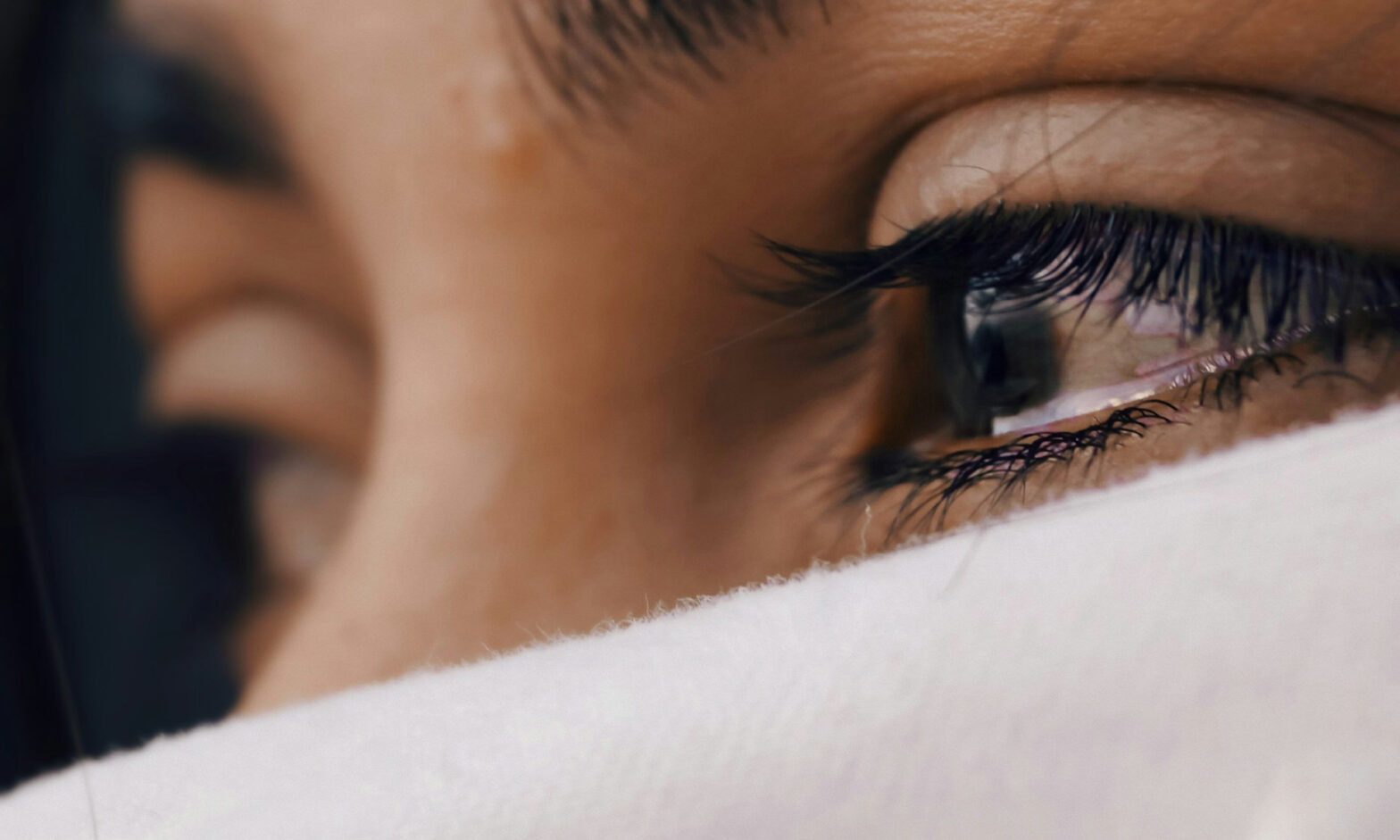
    Our river of grief is real. Yet our tamed society trains us to build a dam over it. It often goes unacknowledged. For relief, you might check your phone for a dopamine hit. Get busier. Take a pill. But the more we repress our emotions, the more they eat us up.

    Nature connection holds the key.

    When we slow way down and allow ourselves to feel the world with our senses, the experience can be liberating. With no one watching, weeping with a willow will ease your pain. Inhaling the fragrance of a crushed eucalyptus leaf releases your endorphins. And bathing in a cold creek will give you an energizing adrenaline rush.

    And if we allow ourselves to experience the sentience around us and understand that we’re not alone, that support often leads to realizations, insights, and anchoring of purpose.

    And when we practice sitting together in nature therapy circles – to listen deeply to one another without judgement – we promote healing not only for each other, but also for the larger community, as we bring this non-violent form of communication to our families, schools, corporations, and government agencies.

    Nature connection and culture repair arise together.
    —Amos Clifford – founder of ANFT

    Despite the epic challenges of our time, movements are being born with youth demanding social & enviro responsibility, corporations investing in renewable energy, farmers embracing regenerative agriculture, doctors adopting integrative medicine, and meditation being taught in schools, prisons, and armed forces.

    We might not be able to solve every painful situation, but if each of us learn to undam our own river of grief, deepen our connections with others and nature, this work of radical authenticity makes us stronger to deal with the challenges we face in our own lives and empowers us to transform our world, from the inside out. Now, that’s something to smile about.

    Wishing you Nature. And love!
    Sylvie and the LTN community.

  • Three Reasons to Be Hopeful for Nature

    Three Reasons to Be Hopeful for Nature

    As I screen Love Thy Nature and talk to audiences across the US and around the globe, the most common concern people voice is whether we have a shot at protecting what is left of our natural world – for its own sake, our own and our children’s. Here are 3 key points we should all keep in mind:

    1. “The arc of the moral universe is long, but it bends toward justice” —Dr. Martin Luther King, Jr.

    Whether you were among the millions of people around the world who marched for love and justice on January 21st, or just witnessed it through the media, you might have felt a healthy dose of optimism. The long term advances in our history happen in the direction of the values that unite us as people: respect, inclusion, freedom, equality and reason.

    When we look at the big picture, it was nearly 2,600 years ago that thinkers in Athens birthed democracy – the “radical” idea rulers feared would turn their society into chaos; it was only 152 years ago that slavery was abolished in the US; only 97 years ago that women won the right to vote; and only a year and a half ago that the US Supreme Court ruled that same sex couples were allowed to marry.

    In this “evolution” of our human mind set, it seems only natural that we will also embrace the rights of children – to inherit a livable planet; the rights of nature – where wild habitats are protected from devastation; the rights of animals to be humanely treated; and the rights of all people to not only have access to pure air, and clean water, but also to enjoy protected natural places in their own communities.

    If this seems optimistic, we might bear in mind Dr. King’s quote (above) and Helen Keller’s, who said “no pessimist has ever discovered the secret of the stars, or sailed to uncharted lands, or opened a new doorway for the human spirit.” Helen was the first deaf-blind person to ever earn a Bachelor of Arts degree.

    We just have to roll up our sleeves and do the work lined up for us on the right side of history.

    2. The renewable energy revolution is here to stay

    Clean energy is already cheaper than fossil fuels in the majority of US states and the majority of countries. More people are employed in the clean energy sector than the fossil fuels sector. Reuters reports that the cost of building large scale solar plants has dropped by as much as 40% since 2010. China is now the top solar energy generator and just announced that it will invest $361 billion into renewable energy generation by 2020.

    Even though the US is attempting to revive the fossil fuel energy sector, a sea of investors and innovators have their gaze on the extraordinary potential of a clean future – one that not only honors the well being of new generations (and our planet) but also holds the key to the most cutting edge biomimetic and job-filled technological revolution.

    3. Nature is a survivor

    We’ve seen plants and trees cracking their way through dense concrete and species resurface from the brink. Once in the endangered species list, the bald eagle went from only 487 pairs in 1963 to about 10,000 pairs by 2006 in the lower 48 US states, thanks to restoration efforts including DDT bans (there are no current numbers as many states decided that yearly surveys are no longer needed.)

    Also, large swaths of destroyed habitats have come back to life. After Cabo Pulmo (Mexico) was severely depleted by overfishing, fishermen, conservationists and local officials joined forces to help restore it. And in just 10 years, this devastated area rebounded with a biomass increase of 460%! It is now an abundant marine ecosystem – its coral reef is home to turtles, manta rays, large schools of fish, sharks and humpback whales. Marine biologist Sylvia Earle included it in the list of marine “Hope Spots.”

    The work of protecting our natural world is needed more than ever and one way to ignite hope is to leap outdoors with friends and kids and engage in nature restoration projects. So, whether it’s volunteering to clean up a beach, planting trees in a grey neighborhood, or creating an organic garden, seeing the power and wonder of nature’s restoration is an awe-inspiring way to lift our spirits, renew our sense of hope, and cultivate gratitude.

    Wishing you Nature,
    Sylvie and the LTN team

  • What If Humans Are Good?

    What If Humans Are Good?

    Why is our species destructive? Have we always been? Will we always be? In all its splendor of interrelated species, did Nature stumble, creating a greedy, lethal, or just plain “bad” specimen? These are questions I have been asking myself since I was a child and are particularly relevant now as we focus on the goodness of people during this holiday season.

    As a seasoned award-winning filmmaker, I decided to finally frame this lifelong inquiry into a cinematic journey of our relationship with the natural world. This is one of the many reasons I chose to create Love Thy Nature.

    Duane Elgin, an expert in the field of social science, shared in an interview that he often asks his audiences the following question: “What phase of maturity is the human species at today? Are we toddlers, adolescents, adults, or elders?” The vast majority of people around the globe answer that we’re adolescents!

    In fact, as biomimicry expert Dr. Dayna Baumeister states, our species is so young that if we were to “squeeze” the history of Earth into just one year (Jan 1st to Dec 31st), humans only emerged on the planet on Dec 31st, at 11:36 pm, or just 24 mins ago!

    In other words, we are the young ones and just as teenagers naturally distance themselves from their parents in order to individuate, it might not be far fetched to think that we, humans, also had to disconnect from our Mother Nature, in order to understand both ourselves and her scientifically.

    And what is fascinating about this is that science has come full circle. Recent findings indicate that all life and systems on the planet are fully interconnected (Gaia Theory by James Lovelock), solidifying scientifically what Indigenous and Wisdom traditions have told us all along: that we are inseparable from everything around us.

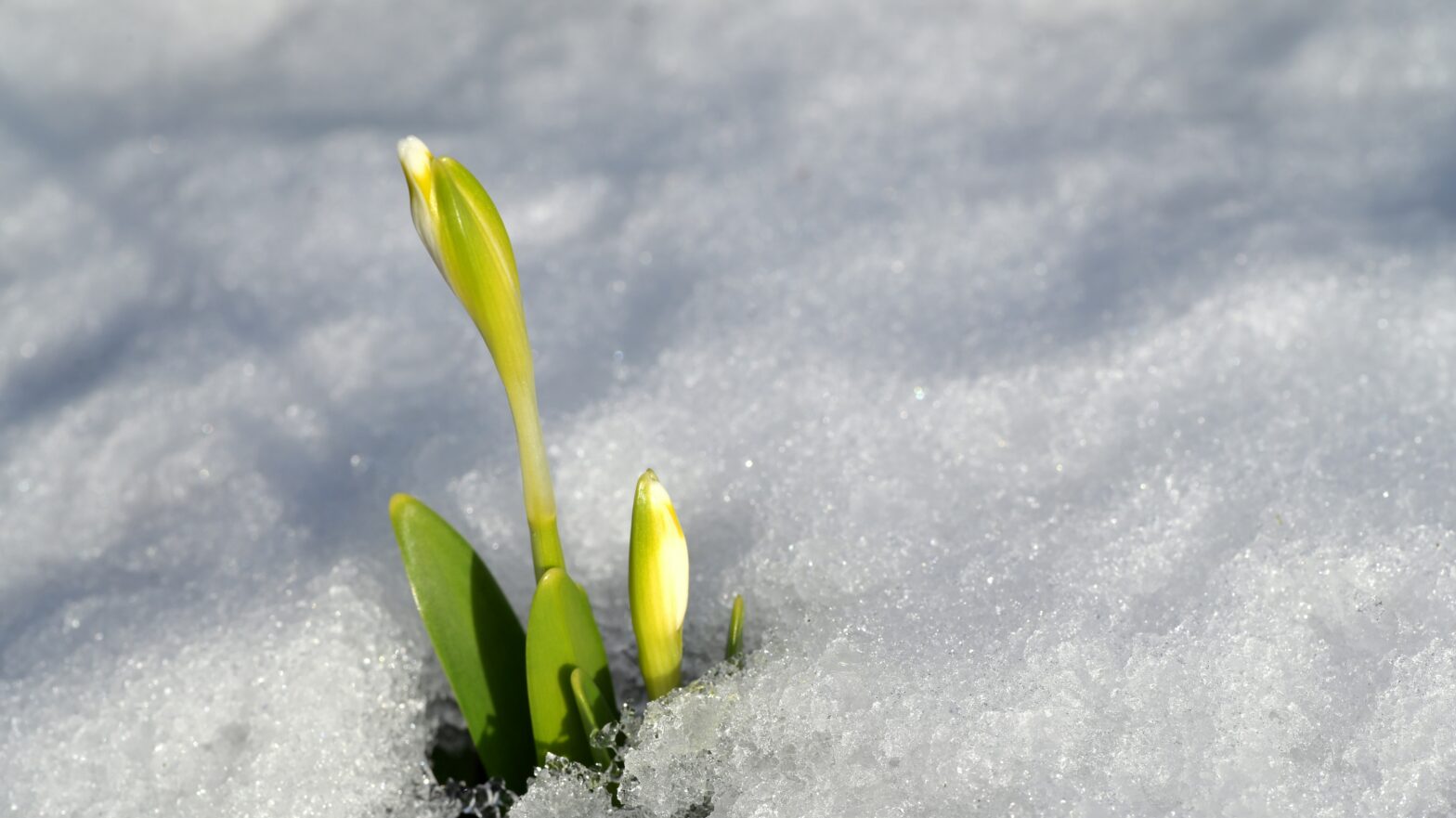
    So, maybe, we might not be the “bad species”, but maybe just the wild and “invincible” kids, who are now being pushed into maturity as we face the catastrophic consequences of Nature systems’ crises, including the threat to our very survival. It’s time to grow up into adulthood and develop a protective, parenting love for family (including all species). This new era in human evolution is indeed dawning. Environmental/social-justice groups are blossoming like spring flowers all over the world, creating what has now become the largest movement to ever take hold in the history of humanity.

    And while there is still tremendous resistance from the economic and political powers around the globe, this ground-up “green” movement will have to win. After all, humanity only has two choices: evolve or die.

    As scientist Jay Harman says in Love Thy Nature, there are two motivators for change: fear and love. Fear is definitely present, as we’re witnessing the natural world being consumed at a terrifying pace. That fear is driving us to create solutions.

    But love moves us from within: When a child explores the wonders of Nature, an adult rescues an injured animal, an executive discovers her inner life while climbing a mountain, or a father loses himself in the eyes of his newborn child, those experiences can crack our hearts so wide open that loving Nature becomes second nature.

    Love Thy Nature shows that when we awaken a reverence for Nature, we rediscover beauty, connectedness, and wonder. From nature destroyers, we become nature guardians. What we love, we protect. When we love, we transform.

    With such powerful realization, the goodness of the human species might shine far beyond just this holiday season. Imagine if we were to give our children the gift of nature for themselves and many generations to come…

kolaybet giriş
betgaranti
betgaranti
Kolaybet
Kolaybet Giriş
Kolaybet
Kolaybet
Kolaybet Giriş
Kolaybet
Hititbet Giriş
betgaranti
hititbet giriş
betnano güncel giriş
matbet
matbet
matbet
matbet
betnano
betnano
Tuzla İpek Kirpik
tuzla cilt bakım merkezi
Tuzla Lenf Drenaj
holiganbet
holiganbet
holiganbet
betpark
betgaranti
betgaranti
betpark
holiganbet
holiganbet
holiganbet
holiganbet
betgaranti
BB Marketing
hititbet
betpark
betpark
betgaranti
betpark
holiganbet
holiganbet
holiganbet
betgaranti
grandpashabet
betpark
betgaranti
betpark
betpark
betgaranti
betnano
betnano
betgaranti
madridbet
betnano
betpark
betpark
betgaranti
hititbet
hititbet güncel giriş
hititbet
betgaranti giriş
grandpashabet
bettilt
betgaranti
Tuzla Güzellik Merkezi
Tuzla İpek Kirpik
bettilt
Hititbet
Hititbet
Kolaybet
Hititbet
Vdcasino
Vdcasino
vdcasino